

Entertainment is a central aspect of human life, shaping emotions, culture, and even economic landscapes. Whether through films, music, literature, or digital experiences, entertainment has long been a powerful force in shaping perspectives and bringing people together. This article examines the intricacies of entertainment, exploring its significance, transformation, and influence across different mediums.
The Role of Entertainment in Society
Entertainment provides an essential outlet for relaxation and mental stimulation. It serves as both an escape from daily pressures and a source of intellectual engagement. Through various forms—cinema, theater, literature, and digital media—people find emotional resonance and new perspectives.
Beyond personal enjoyment, entertainment plays a role in cultural expression. Storytelling, in particular, preserves history, transmits values, and fosters shared experiences. Whether through traditional folklore or modern cinema, entertainment reflects societal shifts, shaping conversations about ethics, identity, and progress.
The Impact of Digital Transformation on Entertainment
Advancements in technology have reshaped entertainment, making it more interactive and accessible. Streaming platforms, social media, and virtual experiences have expanded options for audiences while altering the way content is produced and consumed.
The digital world has also given rise to personalized entertainment. Algorithms now tailor recommendations based on user preferences, ensuring a curated experience. This shift has led to an era of on-demand content, where individuals choose what, when, and how they engage with entertainment.
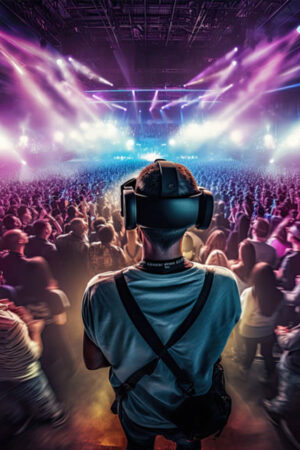
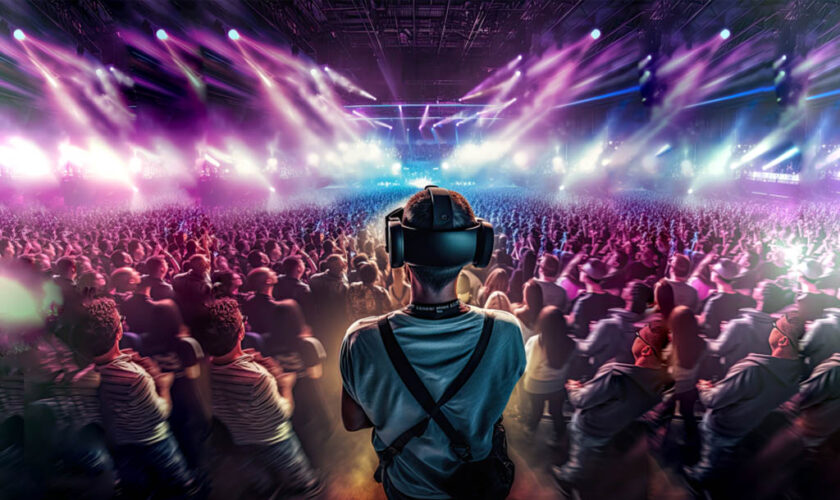
Virtual and augmented reality have introduced new dimensions, allowing audiences to step into immersive worlds. Whether experiencing a concert in virtual reality or interacting with a storyline in a game, these innovations create deeper engagement.
The Cinematic Experience: More Than Just a Screen
Cinema remains a cornerstone of entertainment, continually reinventing itself to captivate audiences. Films serve as more than mere storytelling devices—they evoke emotions, challenge perceptions, and spark discussions.
The power of cinema lies in its ability to bring narratives to life, merging visual artistry with compelling scripts. Beyond entertainment, films often serve as cultural commentaries, addressing social issues and historical moments. Directors and screenwriters craft works that challenge conventional thinking, leaving a lasting impact on viewers.
The rise of independent cinema has brought fresh perspectives to the forefront. While mainstream productions dominate box offices, independent films offer innovative storytelling and diverse voices. This blend of large-scale productions and intimate storytelling ensures that cinema remains both grand and thought-provoking.
The Influence of Music: A Universal Language
Music holds a unique place in entertainment, transcending language and cultural barriers. Its ability to evoke emotions and memories makes it a fundamental part of human experience.
Each genre of music carries distinct characteristics, yet all share the ability to connect people. Classical compositions evoke grandeur, while contemporary genres bring rhythm and energy to daily life. Music festivals and concerts create spaces where individuals gather, forming collective experiences that leave lasting impressions.
The evolution of music consumption has seen a shift from vinyl records to digital streaming, expanding accessibility. With a vast library at their fingertips, listeners can explore sounds from across the globe, broadening their musical horizons.
The Literary World: Storytelling Through Words
Books remain a timeless pillar of entertainment, offering an escape into different worlds while stimulating the imagination. Whether through fiction, poetry, or biographies, literature invites readers to explore ideas beyond their immediate reality.
Writers craft narratives that transport audiences through time and space. Classic literature preserves historical perspectives, while contemporary works challenge existing norms. Books serve as both a means of entertainment and a source of knowledge, influencing thought and inspiring creativity.
The publishing landscape has embraced digital formats, making literature more accessible. Audiobooks and e-books allow stories to reach wider audiences, ensuring that storytelling continues to thrive in modern times.
Theatrical Arts: A Timeless Form of Expression
Theater has captivated audiences for centuries, offering a dynamic blend of storytelling, performance, and live interaction. Unlike recorded forms of entertainment, theater provides an immediate connection between performers and audiences, creating an experience that is both intimate and grand.
Whether through Shakespearean classics or contemporary productions, theater brings human experiences to life with unparalleled authenticity. It thrives on the nuances of live performance, where every movement and expression conveys depth.
Musicals and dramas introduce audiences to a rich tapestry of emotions. The fusion of music, dialogue, and choreography elevates storytelling, making theatrical performances unforgettable.
Gaming: An Interactive Entertainment Frontier
Video games have grown from niche pastimes into a dominant force in entertainment. Combining storytelling, artistry, and technology, gaming offers interactive experiences that captivate millions worldwide.
Modern gaming extends beyond leisure; it fosters creativity, strategic thinking, and social interaction. Multiplayer games connect players across continents, creating communities that share challenges and triumphs.
The rise of competitive gaming, or esports, has elevated gaming into a professional industry. Tournaments draw millions of viewers, with players achieving celebrity status. The blend of entertainment and skill-based competition makes gaming a unique and evolving field.
The Social Impact of Entertainment
Entertainment influences societal norms, shaping perspectives and trends. Films and television shows spark conversations about representation, while music becomes anthems for cultural movements. Storytelling across mediums serves as both a reflection of society and a catalyst for change.
Beyond shaping ideas, entertainment fosters connections. Shared experiences—whether watching a film, attending a concert, or playing a game—bring people together. These collective moments create bonds that transcend geography and background.
As entertainment continues to expand in scope and influence, its role in shaping culture remains undeniable. From digital advancements to timeless traditions, its ability to inspire, challenge, and unite ensures that it will always hold a central place in human experience.