Changing the Fitness Narrative for Women in Singapore
For years, women have been conditioned to view fitness as a tool for shrinking, toning, or “getting skinny.” Thankfully, that mindset is shifting. In Singapore, a growing number of women are embracing strength training, performance-based goals, and personalised routines that prioritise health over appearance. More importantly, they’re finding safe, supportive environments in personal training gyms to do just that.
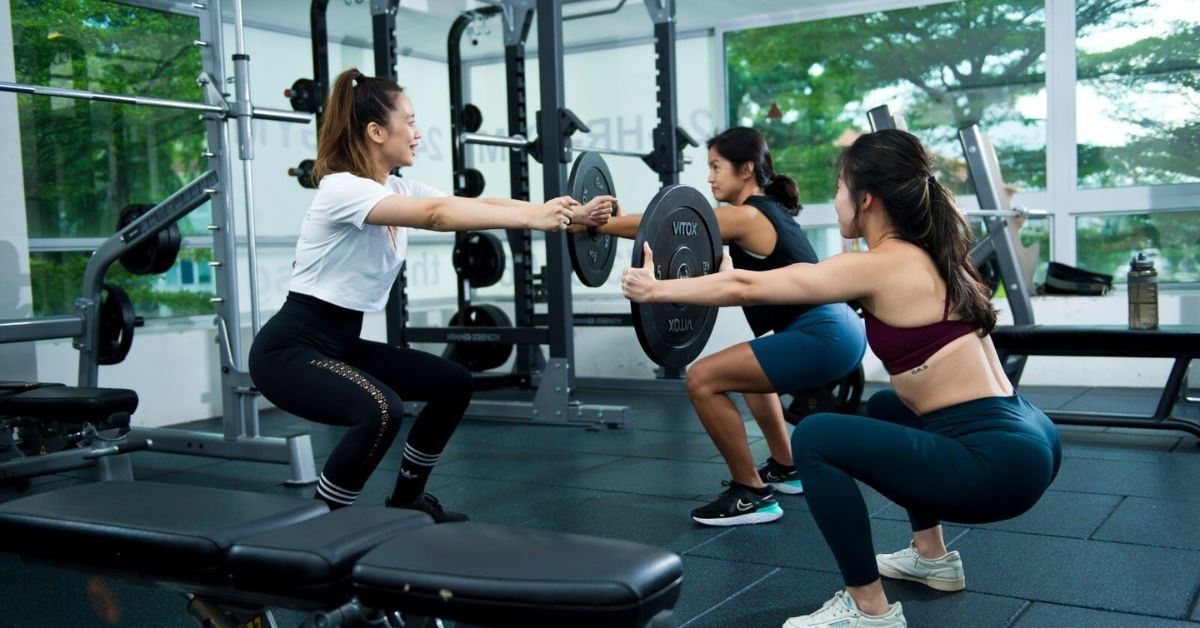
Today, a personal training gym Singapore isn’t just a space for men lifting weights. It’s a space where women of all ages and fitness levels are coached to build confidence, muscle, and mental resilience — on their own terms.
Why Women Are Turning to Personal Trainers
Women face unique fitness challenges that go beyond gender. These include hormonal fluctuations, body image pressure, safety concerns, and lack of training confidence, especially in weight sections of gyms. Personal trainers bridge these gaps by providing structure, education, and individual attention.
Top reasons women in Singapore hire personal trainers:
-
Learn proper form and avoid injuries
-
Get stronger without bulking
-
Regain core strength after childbirth
-
Train safely around menstrual cycles
-
Build a consistent habit in a non-judgemental setting
-
Prepare for milestones like weddings, marathons, or pre-natal fitness
Trainers serve as educators, motivators, and allies throughout each woman’s journey.
Busting the “Bulky” Myth
A common concern among women is, “Will lifting weights make me bulky?” This myth has been debunked time and again. Women have lower testosterone levels, making it difficult to develop large muscles without specific, intense training.
Instead, strength training:
-
Increases lean muscle mass
-
Reduces body fat more effectively than cardio alone
-
Improves bone density and joint health
-
Enhances metabolism, posture, and daily energy levels
Personal trainers tailor strength routines with controlled intensity, progressive overload, and sufficient recovery, ensuring results are aligned with each woman’s goals — whether that’s fat loss, toning, or enhanced performance.
Creating a Safe and Empowering Environment
One reason many women avoid traditional gyms is the discomfort of navigating unfamiliar equipment or judgmental spaces. Personal training offers a private or semi-private environment where clients can focus on progress without distractions.
At TFX Singapore, the experience is intentionally designed to support women through:
-
Clear exercise instruction without jargon
-
Encouraging, respectful trainers
-
Workout modifications for all body types and abilities
-
Supportive atmosphere that values strength over aesthetics
This structure transforms the gym from a place of insecurity into a space of empowerment.
Period-Informed Training: Aligning Workouts with the Menstrual Cycle
Modern personal trainers are now incorporating cycle syncing into their programming. This means adapting training phases around the menstrual cycle to maximise results and reduce discomfort.
How trainers adjust:
-
Follicular phase (Day 1–14): Higher energy, ideal for strength and HIIT
-
Ovulation phase (Around Day 14): Focus on performance and heavy lifting
-
Luteal phase (Day 15–28): More emphasis on recovery, mobility, and moderate intensity
This approach reduces burnout, improves hormonal balance, and respects the body’s natural rhythms.
Addressing Core and Pelvic Health Post-Pregnancy
Mothers often face physical changes like diastasis recti, pelvic floor weakness, and hormonal fatigue after childbirth. Personal training becomes essential in helping them rebuild core strength, stability, and confidence.
Focus areas for postnatal clients:
-
Core activation (not just crunches)
-
Pelvic floor awareness
-
Joint-friendly strength training
-
Gradual reintroduction to cardio and endurance
Certified trainers ensure these sessions are safe and progressive, working alongside medical professionals if needed.
Strength Training as a Tool for Mental Health
Fitness isn’t just physical — it’s deeply mental. Many women report that lifting weights helps them manage stress, anxiety, and self-doubt. Personal training sessions offer a structured outlet for emotional release and mental clarity.
Women who consistently train report:
-
Improved self-esteem
-
Better emotional regulation
-
Reduced PMS symptoms
-
Greater sense of personal achievement
Trainers don’t just guide reps, they build mental toughness through positive reinforcement, goal-setting, and ongoing support.
Training Through Life’s Stages: From Teens to Midlife
Each stage of life brings new needs — and personal training adapts to meet them.
-
Teen girls: Build healthy habits, boost confidence, and learn body autonomy
-
Young adults: Navigate stressful routines, hormonal shifts, and time scarcity
-
Mothers: Focus on strength, recovery, and work-life balance
-
Midlife women: Train for bone health, weight management, and menopause support
Fitness should evolve with life, and personal training allows that evolution to happen smoothly.
Nutrition Education Without Obsession
While not all trainers are certified nutritionists, many provide basic nutritional guidance to support training outcomes. For women, this often means shifting away from fad diets and calorie obsession, and moving toward sustainable habits.
Trainers help women:
-
Understand macronutrient balance
-
Fuel their workouts properly
-
Avoid restrictive eating patterns
-
Develop a healthier relationship with food
This educational layer is empowering, not prescriptive — and it helps women trust their bodies more.
Frequently Asked Questions (FAQ)
Q. I’m afraid to lift weights because I don’t know what I’m doing. Can a trainer help?
A. Absolutely. A personal trainer teaches you proper technique, ensures you avoid injury, and builds your confidence step-by-step. You’ll never feel lost or overwhelmed.
Q. What if I have no fitness background at all?
A. No prior experience is needed. Trainers at women-friendly gyms are used to working with beginners and will guide you gently, explaining each move and its purpose.
Q. I’ve had a baby recently. When can I safely resume training?
A. Most women can begin postnatal training around 6–8 weeks after delivery with clearance from their doctor. A trainer will begin with core rehab and gradually reintroduce strength and cardio as your body heals.
Q. Do I need to follow a diet plan as part of personal training?
A. Trainers may offer nutritional suggestions, but you’re never required to follow a rigid plan. The goal is to support your energy and recovery with balanced meals that fit your lifestyle.
Q. Can women train during their period?
A. Yes, and often it’s beneficial. However, your trainer can adjust the workout to suit your energy levels and comfort — whether that means lighter movement, stretching, or skipping certain exercises.