Dealing with seized or corroded metal components is a challenge that often unfolds in stages. Whether you are maintaining household equipment, working on a vehicle, or managing older hardware, the process of freeing frozen fasteners rarely happens in an instant. Understanding the progression of how corrosion develops and how specialized lubricants work can help you approach these repairs with better results and less frustration.
Getting started with initial inspection and preparation
When a bolt, hinge, or latch refuses to move, the natural urge is to apply force immediately. However, this is often the most common cause of broken fasteners. Before applying any best penetrating oil for rust, take a moment to assess the situation. Is there visible oxidation or grime buildup surrounding the threads? Is the component exposed to the elements or hidden inside an enclosed space?
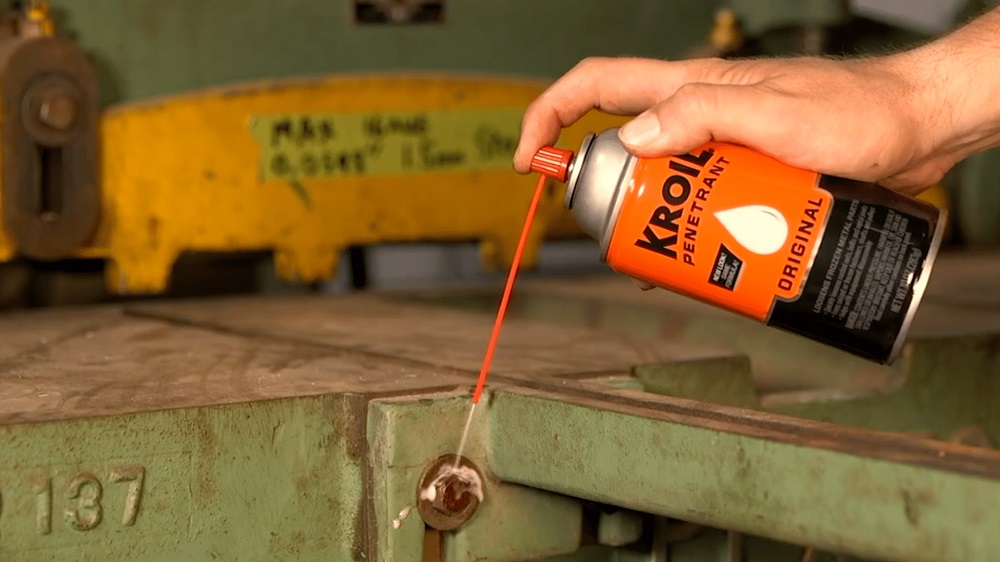
Start by cleaning the area. A wire brush can remove surface debris and loose scale, which allows any liquid agent to reach the threads more effectively. If the fastener is recessed, consider using a narrow brush to clear away as much material as possible. This preparatory step ensures that the chemical agent you select has a clear path to penetrate deep into the threads. Using a quality penetrating oil spray early in the process—before applying significant torque—can help loosen the bond between the rusted surfaces, which often helps prevent stripping or snapping the hardware.
How lubricant mechanisms change as they work
It is helpful to consider that professional-grade lubricants function by infiltrating micro-fissures in the corrosion layer. Unlike standard oils that simply coat the surface, these specialized products are designed with low surface tension. This allows them to “creep” into tight spaces, displacing moisture and breaking down the chemical bonds that keep rust-fused parts locked together.
As the product settles into the assembly, it typically requires time to work. In many cases, a brief application followed by a wait period is more effective than attempting to force the part immediately. During this time, the lubricant works to soften the oxidation. If a component is exceptionally stuck, a series of light applications over several hours may be necessary. Some enthusiasts find that gently tapping the head of a fastener after applying the spray helps send vibrations through the metal, which can create small gaps that allow the lubricant to move deeper into the threads.
Signs of progress or the need for adjustments
Once you have allowed the solution time to interact with the rust, you can perform a gentle test. Apply subtle pressure to the wrench or tool, focusing on small, controlled movements rather than continuous, heavy force. If the part moves even slightly, that is a positive sign.
If it remains rigid, avoid the urge to increase force rapidly. Instead, consider whether temperature or physical agitation might help. Heat, when applied safely by those with the appropriate tools and training, can cause the metal to expand and contract, which may break the seal of the corrosion. Alternatively, if you have been applying a lubricant for a significant period without any movement, you may need to re-evaluate the mechanical approach. Sometimes, a different type of wrench or a slightly different angle of approach can provide the leverage needed to turn a stubborn fastener that the lubricant has successfully loosened but that remains caught on debris.
Sustaining results and preventing future seizing
The long-term goal of maintenance is to reduce the likelihood of parts seizing in the future. Once a rusted component has been successfully removed, the installation of new hardware—or the thorough cleaning and lubrication of existing parts—is a critical final stage. Applying a high-quality anti-seize compound or a durable lubricant before reassembly can create a protective barrier. This barrier discourages moisture from settling in the threads, which significantly lowers the risk of severe oxidation returning.
For equipment that stays outdoors or in damp environments, regular check-ins are beneficial. A quick inspection once or twice a year allows you to identify areas where surface rust is starting to form before it progresses into a deeper, seizure-prone state. By keeping a light coat of protective lubricant on exposed threads and moving parts, you essentially extend the lifespan of the hardware and ensure that when you need to perform maintenance later, the job is straightforward rather than a struggle.
Approaching hardware maintenance as a series of deliberate actions—cleaning, lubricating, and allowing for dwell time—typically results in more successful outcomes than relying on force alone. Whether you are dealing with a simple door hinge or a complex mechanical assembly, keeping these general stages in mind helps you manage the work safely and reliably. Every effort made to protect metal components today serves to make future tasks significantly easier.