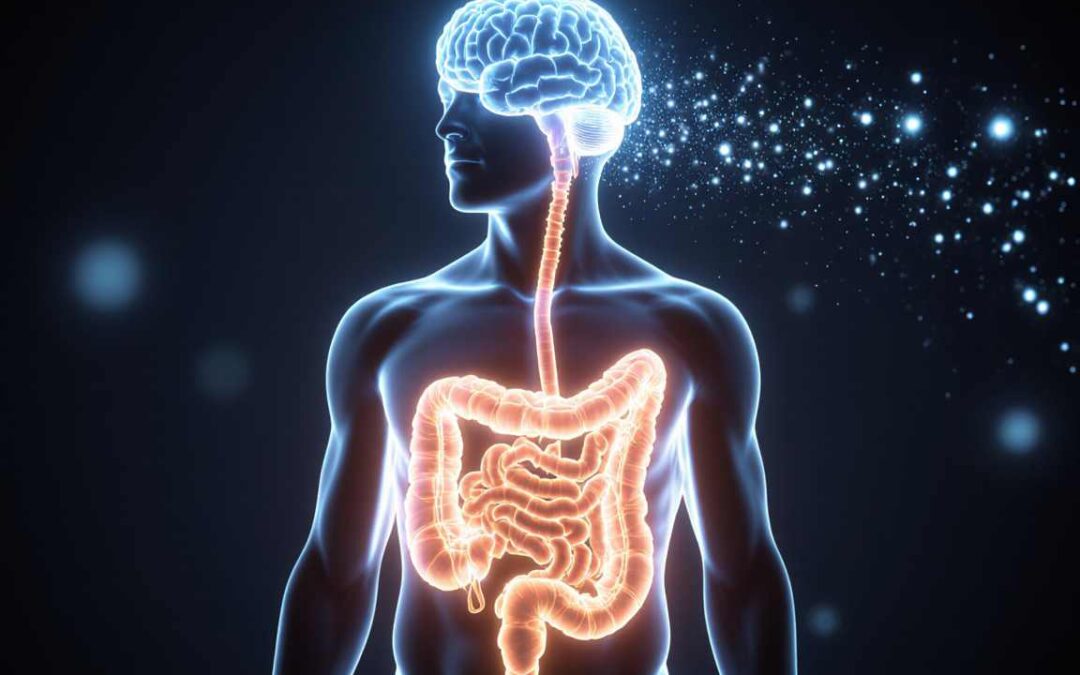
For centuries, Western science treated the human brain as an isolated command center. Neurological health, emotional processing, and cognitive performance were believed to be dictated entirely by the central nervous system, largely insulated from the systemic activities of the lower torso. When an individual experienced anxiety, depression, or brain fog, the therapeutic interventions focused almost exclusively on brain chemistry.
Modern medicine is undergoing a profound paradigm shift driven by the discovery of the gut-brain axis. This complex, bidirectional communication network links the central nervous system directly with the enteric nervous system, which governs the gastrointestinal tract. Far from being a simple digestive organ, the gut is home to trillions of microorganisms, collectively known as the gut microbiota, that actively synthesize neurotransmitters, modulate immune responses, and influence the structural integrity of the brain. Understanding this internal ecosystem alters our perception of mental health, proving that what occurs in the digestive tract directly shapes human mood, behavior, and cognitive longevity.
The Biological Architecture of the Communication Network
The gut-brain axis is not a metaphorical concept; it is a physical, highly complex highway system utilizing neurological, hormonal, and immunological pathways to transmit information throughout the human body.
The Vagus Nerve: The Neurological Superhighway
The primary physical conduit of the gut-brain axis is the vagus nerve, one of the longest and most important cranial nerves in the body. Running directly from the brainstem down to the abdomen, the vagus nerve acts as a real-time hardwired communication cable.
Crucially, roughly 80 percent of the nerve fibers within the vagus nerve are afferent, meaning they send signals upward from the gut to the brain, rather than downward from the brain to the gut. The enteric nervous system utilizes these fibers to upload information regarding gut inflammation, nutrient availability, and microbial activity straight into emotional and cognitive processing centers of the brain, including the amygdala and the hippocampus.
Neurotransmitter Production in the Enteric Nervous System
The gut is frequently referred to as the second brain because the enteric nervous system contains more neurons than the entire spinal cord. This independent neural network is capable of operating autonomously and produces a massive portion of the body’s signaling chemicals.
-
Serotonin: While serotonin is well-known for regulating mood, satiety, and sleep within the brain, approximately 90 to 95 percent of the body’s total serotonin is synthesized in the gut by specialized cells.
-
Gamma-Aminobutyric Acid: Essential gut bacteria strains break down dietary components to produce gamma-aminobutyric acid, an inhibitory neurotransmitter that dampens overexcitation in the central nervous system, mitigating feelings of acute anxiety and panic.
How the Microbiome Directs Mood and Emotional States
The composition of the gut microbiota—the specific balance of beneficial versus pathogenic bacteria living in the colon—exerts a profound influence over daily mood regulation and psychological resilience.
Systemic Inflammation and the Blood-Brain Barrier
When the delicate balance of the gut microbiome is disrupted, a state known as dysbiosis occurs. This imbalance often leads to an overgrowth of harmful bacteria that produce toxic byproducts called lipopolysaccharides.
An excess of these toxins causes the cellular lining of the intestinal wall to degrade, creating microscopic gaps. This condition, colloquially termed leaky gut, allows undigested food particles and bacterial toxins to escape the digestive tract and enter the bloodstream. The immune system reacts by launching a chronic, low-grade inflammatory response. These circulating inflammatory cytokines can breach the blood-brain barrier, triggering neuroinflammation, which clinical studies have linked directly to the onset of major depressive disorders and chronic anxiety.
Stress Response and the HPA Axis
The gut microbiome plays a vital role in calibrating the Hypothalamic-Pituitary-Adrenal axis, which is the body’s primary stress response mechanism. A healthy, diverse microbiome acts as a natural brake on this system, helping the body downregulate cortisol production after a stressful event.
In contrast, an unhealthy microbiome leaves the Hypothalamic-Pituitary-Adrenal axis hyper-reactive. The brain perceives minor daily stressors as severe threats, flooding the system with cortisol and adrenaline. Over time, this chronic hormonal exposure alters brain architecture, diminishing emotional regulation and depleting the neural reserves necessary to resist psychological burnout.
The Gut’s Influence on Cognition, Focus, and Memory
The implications of the gut-brain axis extend far beyond emotional states; the health of the gastrointestinal ecosystem fundamentally dictates an individual’s ability to focus, process complex tasks, and retain memories.
Short-Chain Fatty Acids and Brain-Derived Neurotrophic Factor
When beneficial gut bacteria ferment dietary fiber, they produce metabolites known as short-chain fatty acids, including butyrate, propionate, and acetate. These fatty acids serve as essential signaling molecules that support cognitive function.
Butyrate, in particular, stimulates the production of Brain-Derived Neurotrophic Factor within the hippocampus. This specialized protein is responsible for neuroplasticity—the brain’s ability to grow new neurons, form new synaptic connections, and repair cellular damage. High levels of this protein correlate directly with enhanced memory retention, rapid learning capabilities, and a reduced risk of age-related cognitive decline.
Metabolic Toxicity and Brain Fog
Many individuals suffer from a persistent state of mental fatigue, low motivation, and poor focus, frequently described as brain fog. While often attributed to a lack of sleep or excessive screen time, the root cause is frequently found in the gut.
When digestion is compromised by a poor diet high in ultra-processed sugars and industrial seed oils, opportunistic yeast strains like Candida and pathogenic bacteria ferment sugars into metabolic byproducts such as acetaldehyde and ammonia. When these compounds absorb into the bloodstream and reach the brain, they act as mild neurotoxins, disrupting mitochondrial energy production within cerebral cells. The result is a noticeable drop in mental clarity, processing speed, and sustained attention span.
Optimizing the Axis for Mental and Cognitive Enhancement
Because the gut-brain axis is a bidirectional network, targeting gastrointestinal health represents a highly accessible, non-pharmacological strategy for improving mental well-being and unlocking cognitive potential.
-
Dietary Diversification: Consuming a wide variety of whole, fiber-rich plants provides the precise prebiotic substrates required to nourish diverse, beneficial bacterial species, directly increasing short-chain fatty acid synthesis.
-
Incorporation of Fermented Foods: Integrating traditional, unpasteurized fermented items like kefir, kimchi, and sauerkraut introduces live, active probiotic cultures that actively displace pathogenic strains and reinforce the intestinal barrier.
-
Stress Mitigation Practices: Because psychological stress can instantly alter gut motility and damage the microbiome, implementing daily mindfulness, deep diaphragmatic breathing, or targeted vagus nerve stimulation helps preserve digestive integrity and emotional balance.
Frequently Asked Questions
What is the distinction between prebiotics, probiotics, and psychobiotics regarding mental health?
Prebiotics are non-digestible dietary fibers found in whole foods that serve as fuel for beneficial gut bacteria. Probiotics are live, active microorganisms consumed through food or supplements that directly populate the gut ecosystem. Psychobiotics represent a specialized category of probiotics and prebiotics that, when ingested in adequate amounts, produce specific neuroactive substances that yield measurable, clinically validated benefits for psychological health and emotional regulation.
Can a severe course of antibiotics permanently alter an individual’s cognitive function?
A single, intense course of broad-spectrum antibiotics can decimate up to a third of the gut’s microbial diversity, leading to acute dysbiosis. Because the microbiome is heavily involved in synthesizing neurotransmitters and maintaining the blood-brain barrier, this sudden microbial depletion can trigger short-term cognitive side effects, including acute anxiety, depression, and significant brain fog. While the microbiome often recovers over several months, targeted dietary interventions are usually required to fully restore original cognitive vitality.
How does chronic sleep deprivation negatively impact the gut-brain axis?
The gut microbiome operates on its own internal circadian rhythm, which is highly sensitive to the sleep-wake cycles of the host. Chronic sleep deprivation elevates systemic cortisol levels, which increases intestinal permeability and alters gut motility. This disrupted environment inhibits the growth of beneficial, melatonin-producing bacterial strains, creating a negative feedback loop where poor sleep damages the gut, and a damaged gut further disrupts sleep architecture and cognitive recovery.
What role does the gut microbiome play in the development of neurodegenerative diseases like Alzheimer’s?
Emerging neurological research suggests that the early stages of neurodegenerative diseases like Alzheimer’s and Parkinson’s may actually originate in the gastrointestinal tract. Chronic gut dysbiosis leads to the accumulation of misfolded amyloid proteins and systemic inflammatory cytokines in the gut wall. These pathological agents can travel up the vagus nerve over many years, eventually entering the brain where they contribute to the formation of plaques, neuroinflammation, and progressive cognitive decline.
How quickly can a change in an individual’s daily diet alter their gut microbiome composition?
The gut microbiome is highly dynamic and responsive to environmental inputs. Clinical studies demonstrate that completely shifting from a highly processed diet to a whole-food, plant-based diet can alter the genetic profile and metabolic output of the gut microbiota in as little as 24 to 48 hours. However, while these initial microbial shifts occur rapidly, establishing a stable, resilient, and permanently altered bacterial ecosystem requires months of consistent dietary adherence.
Why does experiencing psychological nervousness or anxiety cause physical gastrointestinal distress?
This phenomenon occurs because of the bidirectional nature of the vagus nerve and the enteric nervous system. When the brain enters a state of acute stress or anxiety, it activates the sympathetic nervous system, initiating a fight-or-flight response. This survival mechanism diverts blood flow away from the digestive organs toward skeletal muscles, halts the secretion of digestive enzymes, and alters intestinal contractions. This sudden systemic shift causes immediate physical symptoms, including nausea, cramping, and acute changes in bowel motility.