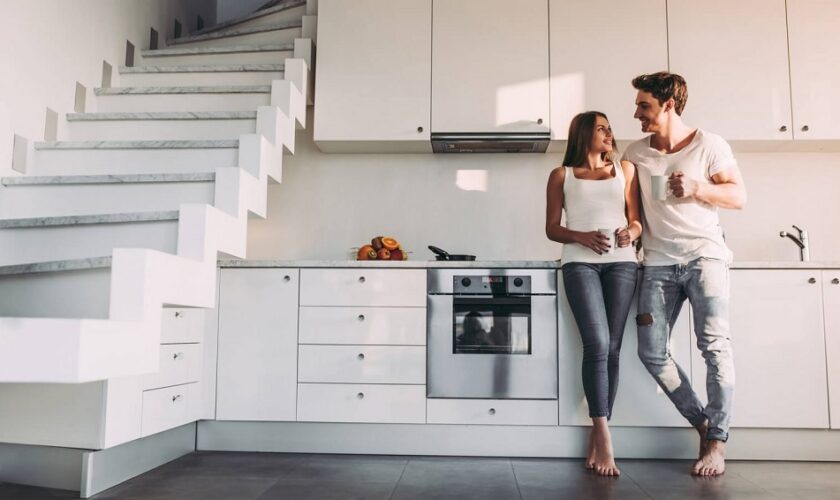
Home improvement is an essential aspect of creating a comfortable, functional, and visually appealing living space. Whether through minor adjustments or large-scale renovations, thoughtful upgrades enhance both aesthetic appeal and long-term value. This article explores key strategies for refining a home, covering structural updates, interior design, and practical enhancements that contribute to a more refined living environment.
Assessing the Needs of Your Home
Before making any changes, it is essential to evaluate the current state of your home. Understanding which areas require attention ensures that efforts are directed toward improvements that offer the most impact.
Structural integrity should always be the starting point. Inspecting walls, roofing, plumbing, and electrical systems ensures that any underlying issues are addressed before focusing on aesthetics. A well-maintained foundation prevents costly repairs in the future and provides a solid base for additional enhancements.
Functionality must also be considered. Each space should serve its intended purpose while offering comfort and ease of use. Storage solutions, traffic flow, and lighting all contribute to a well-balanced home environment.
Enhancing Interior Spaces with Thoughtful Design
A refined interior does not rely on trends alone; it reflects a balance of timeless appeal and personal style. Thoughtful design choices contribute to both comfort and sophistication, creating a space that feels intentional and harmonious.
Color palettes influence the mood of a home. Soft, neutral tones provide a sense of tranquility, while bold hues introduce character. A well-curated combination of colors ensures a cohesive atmosphere without overwhelming the senses.
Furniture arrangement plays a significant role in optimizing space. Selecting pieces that complement the room’s dimensions prevents overcrowding while maintaining functionality. Multifunctional furniture, such as built-in shelving or storage ottomans, enhances utility without compromising elegance.
Lighting serves as both a functional and decorative element. Layered lighting—incorporating ambient, task, and accent lighting—ensures that each room is appropriately illuminated. Thoughtfully placed fixtures add depth, enhancing the architectural details of a space.
Maximizing Natural Light and Ventilation
A well-lit home feels more inviting, making natural light a valuable asset. Maximizing daylight reduces the need for artificial lighting and contributes to a sense of openness.
Large windows and strategically placed mirrors enhance brightness, reflecting light throughout the space. Sheer curtains or adjustable blinds provide privacy while maintaining an airy atmosphere. When possible, incorporating skylights adds an additional source of daylight.
Ventilation plays an equally important role. Fresh air circulation improves indoor air quality, reducing the accumulation of allergens and humidity. Cross-ventilation, achieved by opening windows on opposite sides of a room, encourages airflow. Installing ceiling fans or ventilation systems further enhances air movement.
Upgrading Kitchens and Bathrooms for Functionality and Style
Kitchens and bathrooms are among the most frequently used spaces in a home, making thoughtful improvements in these areas particularly impactful. These upgrades enhance convenience while contributing to the home’s overall aesthetic appeal.
In the kitchen, efficient layouts prioritize ease of movement. The classic work triangle—positioning the sink, stove, and refrigerator in proximity—ensures practicality. High-quality materials, such as durable countertops and custom cabinetry, provide both longevity and visual refinement.
Storage solutions enhance functionality. Pull-out pantry shelves, concealed compartments, and overhead cabinets maximize available space while maintaining a clutter-free environment. Smart appliances offer modern convenience, integrating technology for enhanced efficiency.
Bathroom upgrades focus on both comfort and durability. Quality fixtures, such as rainfall showerheads and deep soaking tubs, introduce an element of luxury. Thoughtfully selected tiles add character while ensuring resilience against moisture. Well-placed lighting enhances ambiance, creating a spa-like atmosphere.
Incorporating Smart Home Features for Modern Living
Technology has introduced a new dimension to home improvement, offering convenience, security, and energy efficiency. Smart home features integrate seamlessly into daily routines, enhancing both comfort and control.
Automated lighting systems allow homeowners to adjust brightness levels with ease. Motion sensors and programmable settings ensure energy efficiency, reducing unnecessary electricity consumption. Smart thermostats provide temperature control while adapting to usage patterns for optimized comfort.
Security enhancements offer peace of mind. Video doorbells, motion-activated cameras, and smart locks provide added protection, allowing homeowners to monitor their property remotely. These features contribute to both safety and convenience.
Voice-controlled assistants and integrated home systems streamline daily tasks. From adjusting lighting to managing entertainment systems, smart technology enhances modern living without compromising aesthetic appeal.
Outdoor Enhancements for a Welcoming Environment
Outdoor spaces serve as extensions of the home, providing opportunities for relaxation and entertainment. Thoughtful landscaping and structural improvements enhance both curb appeal and functionality.
Garden design introduces texture and color, creating a visually appealing environment. Native plants and drought-resistant landscaping minimize maintenance while preserving natural beauty. Well-defined pathways and outdoor seating areas establish a welcoming atmosphere.
Structural enhancements, such as patios, decks, and pergolas, extend living spaces beyond interior walls. Thoughtfully designed outdoor furniture enhances comfort, making these areas inviting year-round. Outdoor lighting, whether subtle pathway illumination or statement fixtures, adds warmth and security.
Water features, such as fountains or reflecting pools, introduce an element of tranquility. These additions create a sense of retreat, offering a peaceful contrast to daily life.
Sustainable Practices for Long-Term Benefits
Sustainability plays an increasingly important role in home improvement, ensuring efficiency while reducing environmental impact. Thoughtful material choices and energy-efficient solutions contribute to both responsible living and long-term savings.
Solar panels provide a renewable energy source, reducing dependency on traditional electricity. Well-insulated windows and doors prevent energy loss, maintaining indoor temperatures without excessive heating or cooling.
Eco-friendly materials, such as reclaimed wood and recycled metal, introduce character while minimizing waste. Low-VOC (volatile organic compound) paints and finishes improve indoor air quality, reducing exposure to harmful chemicals.
Water conservation strategies, including rainwater harvesting and low-flow fixtures, reduce unnecessary water usage. Smart irrigation systems adjust watering schedules based on weather conditions, promoting efficient landscaping practices.
Refining a Home with Timeless Appeal
Home improvement is not simply about following trends; it is about refining a space in a way that reflects personal taste while ensuring functionality. Thoughtful design choices, practical upgrades, and modern conveniences all contribute to a home that is both inviting and enduring.
By carefully considering structural integrity, interior refinement, and technological advancements, a living space transforms into an environment that enhances daily life. Whether through subtle adjustments or significant enhancements, every thoughtful change contributes to a home that offers comfort, style, and longevity.