


close

Health

Health

How the Gut-Brain Axis Shapes Mood and Cognition

For centuries, Western science treated the human brain as an isolated command center. Neurological health, emotional processing, and cognitive performance were believed to be dictated entirely by the central nervous system, largely insulated from the systemic activities of the lower torso. When an individual experienced anxiety, depression, or brain fog, the therapeutic interventions focused almost exclusively on brain chemistry.

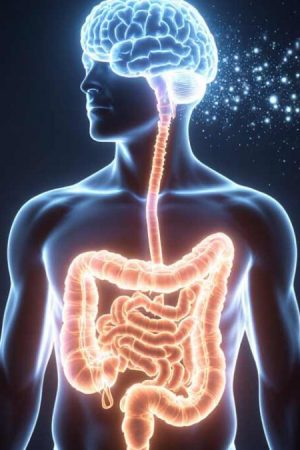
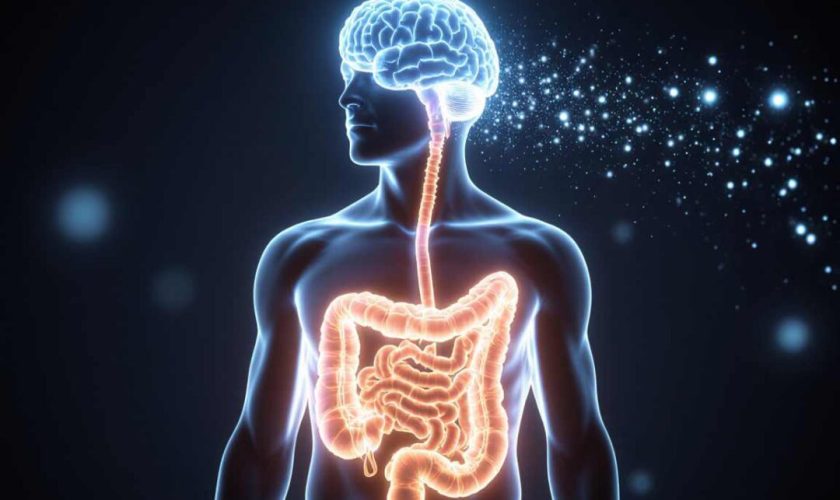
Modern medicine is undergoing a profound paradigm shift driven by the discovery of the gut-brain axis. This complex, bidirectional communication network links the central nervous system directly with the enteric nervous system, which governs the gastrointestinal tract. Far from being a simple digestive organ, the gut is home to trillions of microorganisms, collectively known as the gut microbiota, that actively synthesize neurotransmitters, modulate immune responses, and influence the structural integrity of the brain. Understanding this internal ecosystem alters our perception of mental health, proving that what occurs in the digestive tract directly shapes human mood, behavior, and cognitive longevity.

The Biological Architecture of the Communication Network

The gut-brain axis is not a metaphorical concept; it is a physical, highly complex highway system utilizing neurological, hormonal, and immunological pathways to transmit information throughout the human body.

The Vagus Nerve: The Neurological Superhighway

The primary physical conduit of the gut-brain axis is the vagus nerve, one of the longest and most important cranial nerves in the body. Running directly from the brainstem down to the abdomen, the vagus nerve acts as a real-time hardwired communication cable.

Crucially, roughly 80 percent of the nerve fibers within the vagus nerve are afferent, meaning they send signals upward from the gut to the brain, rather than downward from the brain to the gut. The enteric nervous system utilizes these fibers to upload information regarding gut inflammation, nutrient availability, and microbial activity straight into emotional and cognitive processing centers of the brain, including the amygdala and the hippocampus.

Neurotransmitter Production in the Enteric Nervous System

The gut is frequently referred to as the second brain because the enteric nervous system contains more neurons than the entire spinal cord. This independent neural network is capable of operating autonomously and produces a massive portion of the body’s signaling chemicals.

  • Serotonin: While serotonin is well-known for regulating mood, satiety, and sleep within the brain, approximately 90 to 95 percent of the body’s total serotonin is synthesized in the gut by specialized cells.

  • Gamma-Aminobutyric Acid: Essential gut bacteria strains break down dietary components to produce gamma-aminobutyric acid, an inhibitory neurotransmitter that dampens overexcitation in the central nervous system, mitigating feelings of acute anxiety and panic.

How the Microbiome Directs Mood and Emotional States

The composition of the gut microbiota—the specific balance of beneficial versus pathogenic bacteria living in the colon—exerts a profound influence over daily mood regulation and psychological resilience.

Systemic Inflammation and the Blood-Brain Barrier

When the delicate balance of the gut microbiome is disrupted, a state known as dysbiosis occurs. This imbalance often leads to an overgrowth of harmful bacteria that produce toxic byproducts called lipopolysaccharides.

An excess of these toxins causes the cellular lining of the intestinal wall to degrade, creating microscopic gaps. This condition, colloquially termed leaky gut, allows undigested food particles and bacterial toxins to escape the digestive tract and enter the bloodstream. The immune system reacts by launching a chronic, low-grade inflammatory response. These circulating inflammatory cytokines can breach the blood-brain barrier, triggering neuroinflammation, which clinical studies have linked directly to the onset of major depressive disorders and chronic anxiety.

Stress Response and the HPA Axis

The gut microbiome plays a vital role in calibrating the Hypothalamic-Pituitary-Adrenal axis, which is the body’s primary stress response mechanism. A healthy, diverse microbiome acts as a natural brake on this system, helping the body downregulate cortisol production after a stressful event.

In contrast, an unhealthy microbiome leaves the Hypothalamic-Pituitary-Adrenal axis hyper-reactive. The brain perceives minor daily stressors as severe threats, flooding the system with cortisol and adrenaline. Over time, this chronic hormonal exposure alters brain architecture, diminishing emotional regulation and depleting the neural reserves necessary to resist psychological burnout.

The Gut’s Influence on Cognition, Focus, and Memory

The implications of the gut-brain axis extend far beyond emotional states; the health of the gastrointestinal ecosystem fundamentally dictates an individual’s ability to focus, process complex tasks, and retain memories.

Short-Chain Fatty Acids and Brain-Derived Neurotrophic Factor

When beneficial gut bacteria ferment dietary fiber, they produce metabolites known as short-chain fatty acids, including butyrate, propionate, and acetate. These fatty acids serve as essential signaling molecules that support cognitive function.

Butyrate, in particular, stimulates the production of Brain-Derived Neurotrophic Factor within the hippocampus. This specialized protein is responsible for neuroplasticity—the brain’s ability to grow new neurons, form new synaptic connections, and repair cellular damage. High levels of this protein correlate directly with enhanced memory retention, rapid learning capabilities, and a reduced risk of age-related cognitive decline.

Metabolic Toxicity and Brain Fog

Many individuals suffer from a persistent state of mental fatigue, low motivation, and poor focus, frequently described as brain fog. While often attributed to a lack of sleep or excessive screen time, the root cause is frequently found in the gut.

When digestion is compromised by a poor diet high in ultra-processed sugars and industrial seed oils, opportunistic yeast strains like Candida and pathogenic bacteria ferment sugars into metabolic byproducts such as acetaldehyde and ammonia. When these compounds absorb into the bloodstream and reach the brain, they act as mild neurotoxins, disrupting mitochondrial energy production within cerebral cells. The result is a noticeable drop in mental clarity, processing speed, and sustained attention span.

Optimizing the Axis for Mental and Cognitive Enhancement

Because the gut-brain axis is a bidirectional network, targeting gastrointestinal health represents a highly accessible, non-pharmacological strategy for improving mental well-being and unlocking cognitive potential.

  • Dietary Diversification: Consuming a wide variety of whole, fiber-rich plants provides the precise prebiotic substrates required to nourish diverse, beneficial bacterial species, directly increasing short-chain fatty acid synthesis.

  • Incorporation of Fermented Foods: Integrating traditional, unpasteurized fermented items like kefir, kimchi, and sauerkraut introduces live, active probiotic cultures that actively displace pathogenic strains and reinforce the intestinal barrier.

  • Stress Mitigation Practices: Because psychological stress can instantly alter gut motility and damage the microbiome, implementing daily mindfulness, deep diaphragmatic breathing, or targeted vagus nerve stimulation helps preserve digestive integrity and emotional balance.

Frequently Asked Questions

What is the distinction between prebiotics, probiotics, and psychobiotics regarding mental health?

Prebiotics are non-digestible dietary fibers found in whole foods that serve as fuel for beneficial gut bacteria. Probiotics are live, active microorganisms consumed through food or supplements that directly populate the gut ecosystem. Psychobiotics represent a specialized category of probiotics and prebiotics that, when ingested in adequate amounts, produce specific neuroactive substances that yield measurable, clinically validated benefits for psychological health and emotional regulation.

Can a severe course of antibiotics permanently alter an individual’s cognitive function?

A single, intense course of broad-spectrum antibiotics can decimate up to a third of the gut’s microbial diversity, leading to acute dysbiosis. Because the microbiome is heavily involved in synthesizing neurotransmitters and maintaining the blood-brain barrier, this sudden microbial depletion can trigger short-term cognitive side effects, including acute anxiety, depression, and significant brain fog. While the microbiome often recovers over several months, targeted dietary interventions are usually required to fully restore original cognitive vitality.

How does chronic sleep deprivation negatively impact the gut-brain axis?

The gut microbiome operates on its own internal circadian rhythm, which is highly sensitive to the sleep-wake cycles of the host. Chronic sleep deprivation elevates systemic cortisol levels, which increases intestinal permeability and alters gut motility. This disrupted environment inhibits the growth of beneficial, melatonin-producing bacterial strains, creating a negative feedback loop where poor sleep damages the gut, and a damaged gut further disrupts sleep architecture and cognitive recovery.

What role does the gut microbiome play in the development of neurodegenerative diseases like Alzheimer’s?

Emerging neurological research suggests that the early stages of neurodegenerative diseases like Alzheimer’s and Parkinson’s may actually originate in the gastrointestinal tract. Chronic gut dysbiosis leads to the accumulation of misfolded amyloid proteins and systemic inflammatory cytokines in the gut wall. These pathological agents can travel up the vagus nerve over many years, eventually entering the brain where they contribute to the formation of plaques, neuroinflammation, and progressive cognitive decline.

How quickly can a change in an individual’s daily diet alter their gut microbiome composition?

The gut microbiome is highly dynamic and responsive to environmental inputs. Clinical studies demonstrate that completely shifting from a highly processed diet to a whole-food, plant-based diet can alter the genetic profile and metabolic output of the gut microbiota in as little as 24 to 48 hours. However, while these initial microbial shifts occur rapidly, establishing a stable, resilient, and permanently altered bacterial ecosystem requires months of consistent dietary adherence.

Why does experiencing psychological nervousness or anxiety cause physical gastrointestinal distress?

This phenomenon occurs because of the bidirectional nature of the vagus nerve and the enteric nervous system. When the brain enters a state of acute stress or anxiety, it activates the sympathetic nervous system, initiating a fight-or-flight response. This survival mechanism diverts blood flow away from the digestive organs toward skeletal muscles, halts the secretion of digestive enzymes, and alters intestinal contractions. This sudden systemic shift causes immediate physical symptoms, including nausea, cramping, and acute changes in bowel motility.


read more
Health

Breaking Through Fitness Plateaus with BodyPump: Smarter Training for Visible Results

Reaching a point where your progress slows down or completely stops can be discouraging. Whether it’s strength, weight loss, or endurance, hitting a plateau is something almost every fitness enthusiast faces. The good news is that the right approach can break that wall. A structured bodypump class is one of the most effective ways to move past those sticking points because it challenges your body differently while maintaining control, rhythm, and motivation.

Understanding What a Fitness Plateau Really Is

A plateau happens when your body adapts to your workout routine. In the beginning, progress is quick because your muscles and metabolism respond strongly to new activity. But over time, doing the same exercises with the same intensity makes your body more efficient, reducing results.

When progress stops, it’s not a sign of failure. It simply means your body has reached a comfort zone. To break through, you need to surprise your muscles again. BodyPump provides exactly that through its structured mix of repetitions, tempo changes, and full-body engagement.

Why BodyPump Works for Breaking Plateaus

BodyPump uses moderate weights with high repetitions, keeping your body under tension for extended periods. This approach improves muscular endurance, metabolism, and fat burning without overstressing your joints. Each track in a BodyPump session targets a different muscle group, forcing your body to adapt continuously rather than settle into a routine.

Every movement, from squats to presses, follows a rhythm that demands focus and stability. This variation in tempo challenges muscles in ways typical gym workouts can’t. You not only burn calories but also strengthen supporting muscles, which helps in overcoming strength imbalances — a common cause of plateaus.

The Role of Progression and Load Management

Breaking a plateau doesn’t mean lifting the heaviest weights immediately. It’s about adjusting resistance and repetition intelligently. In BodyPump, progression comes naturally. You can slightly increase weights, improve your form, or perfect your range of motion each week. These small improvements stimulate new growth and endurance without exhaustion.

Smart progression strategies include:

  • Increasing your weights gradually (by 1–2 kg every few weeks)

  • Focusing on slower, controlled movements for deeper muscle engagement

  • Adding more classes per week to enhance consistency

  • Prioritising form before intensity

  • Giving your body rest days to recover and grow stronger

Consistency and mindful variation are what turn short-term results into long-term success.

Overcoming Mental Barriers During a Plateau

A plateau is often more mental than physical. When motivation drops, performance follows. BodyPump’s group setting helps overcome this. The music, instructors, and team atmosphere create an energy that pushes you to go further.

When you exercise with others, your focus shifts from frustration to rhythm. The upbeat pace and collective movement re-ignite your motivation. You begin enjoying the process again instead of just chasing numbers.

The sense of accomplishment after finishing each track builds confidence, reminding you that every small step forward counts.

Muscle Confusion and Why It Matters

Your muscles grow and strengthen when they face new challenges. Doing the same exercises over and over limits growth because your muscles stop responding. BodyPump avoids this by mixing tempo, intensity, and sequence within every session.

For example:

  • Squat tracks may alternate between fast-paced pulses and slow holds.

  • Chest presses combine long sets with short power bursts.

  • Back tracks might mix deadlifts and rows in different combinations.

This constant variation forces your body to adapt continuously, keeping your metabolism high and your muscles responsive. That’s how you keep making progress even after months of training.

How Nutrition and Rest Support Progress

Even the best training plan won’t break a plateau if your recovery and diet are neglected. Your body needs proper nutrients to repair muscles and restore energy. Skipping meals or cutting too many calories slows recovery and reduces endurance.

Simple nutrition habits that support BodyPump training:

  • Eat balanced meals with lean proteins, whole grains, and vegetables

  • Include a pre-workout snack (like fruit or oats) to maintain energy

  • Replenish with protein after class to help muscle repair

  • Stay hydrated before and after every session

  • Avoid extreme diets that lead to fatigue or nutrient loss

Rest is equally important. Muscles grow and repair during recovery, not during workouts. Taking at least one rest day between classes prevents burnout and keeps your performance sharp.

Building a Mindful BodyPump Routine

To break through a plateau, your BodyPump journey should be mindful, not mechanical. Focus on progress rather than perfection. Track how you feel after each session — stronger, more stable, or more confident. These are the true signs of growth.

Avoid comparing your journey with others. Everyone progresses differently based on body type, schedule, and consistency. If you train with purpose and pay attention to your body’s signals, you’ll see steady improvement.

A few mindful training reminders:

  • Focus on how each movement feels, not just how it looks

  • Use music as motivation to push through tough sets

  • Remind yourself why you started — progress isn’t always visible immediately

  • Celebrate every milestone, even small ones

The Power of Coaching and Support at True Fitness Singapore

Breaking a plateau becomes easier with expert guidance. Instructors at True Fitness Singapore help you correct form, adjust weights safely, and keep your energy levels high. Their structured BodyPump sessions ensure you never repeat the same routine for too long, reducing the risk of stagnation.

The supportive atmosphere, combined with energising music and a community-driven environment, helps members stay consistent. Whether you’re trying to gain strength, tone muscles, or boost stamina, the professional approach ensures your effort always leads to progress.

FAQ

Q1. How long does it take to overcome a fitness plateau with BodyPump?
It depends on consistency and effort. Most people start noticing renewed progress within 4–6 weeks of regular training with varied intensity.

Q2. Should I increase weights every session?
No, increase weights only when your current load feels too easy for most repetitions. Focus on maintaining perfect form before adding resistance.

Q3. Can BodyPump help if I’ve hit a weight loss plateau?
Yes. BodyPump’s full-body approach increases calorie burn and muscle activity, which boosts metabolism even after the workout ends.

Q4. What if I feel tired or sore after every class?
Mild soreness is normal, but constant fatigue means your body needs more rest. Adjust your training frequency and sleep better for recovery.

Q5. Do I need to change my diet to break a plateau?
Yes, a balanced diet supports performance. Increasing protein intake and maintaining proper hydration can help your body recover faster and perform better.

read more
Health

Women-Focused Personal Training in Singapore: Empowering Strength and Confidence

Changing the Fitness Narrative for Women in Singapore

For years, women have been conditioned to view fitness as a tool for shrinking, toning, or “getting skinny.” Thankfully, that mindset is shifting. In Singapore, a growing number of women are embracing strength training, performance-based goals, and personalised routines that prioritise health over appearance. More importantly, they’re finding safe, supportive environments in personal training gyms to do just that.

Today, a personal training gym Singapore isn’t just a space for men lifting weights. It’s a space where women of all ages and fitness levels are coached to build confidence, muscle, and mental resilience — on their own terms.

Why Women Are Turning to Personal Trainers

Women face unique fitness challenges that go beyond gender. These include hormonal fluctuations, body image pressure, safety concerns, and lack of training confidence, especially in weight sections of gyms. Personal trainers bridge these gaps by providing structure, education, and individual attention.

Top reasons women in Singapore hire personal trainers:

  • Learn proper form and avoid injuries

  • Get stronger without bulking

  • Regain core strength after childbirth

  • Train safely around menstrual cycles

  • Build a consistent habit in a non-judgemental setting

  • Prepare for milestones like weddings, marathons, or pre-natal fitness

Trainers serve as educators, motivators, and allies throughout each woman’s journey.

Busting the “Bulky” Myth

A common concern among women is, “Will lifting weights make me bulky?” This myth has been debunked time and again. Women have lower testosterone levels, making it difficult to develop large muscles without specific, intense training.

Instead, strength training:

  • Increases lean muscle mass

  • Reduces body fat more effectively than cardio alone

  • Improves bone density and joint health

  • Enhances metabolism, posture, and daily energy levels

Personal trainers tailor strength routines with controlled intensity, progressive overload, and sufficient recovery, ensuring results are aligned with each woman’s goals — whether that’s fat loss, toning, or enhanced performance.

Creating a Safe and Empowering Environment

One reason many women avoid traditional gyms is the discomfort of navigating unfamiliar equipment or judgmental spaces. Personal training offers a private or semi-private environment where clients can focus on progress without distractions.

At TFX Singapore, the experience is intentionally designed to support women through:

  • Clear exercise instruction without jargon

  • Encouraging, respectful trainers

  • Workout modifications for all body types and abilities

  • Supportive atmosphere that values strength over aesthetics

This structure transforms the gym from a place of insecurity into a space of empowerment.

Period-Informed Training: Aligning Workouts with the Menstrual Cycle

Modern personal trainers are now incorporating cycle syncing into their programming. This means adapting training phases around the menstrual cycle to maximise results and reduce discomfort.

How trainers adjust:

  • Follicular phase (Day 1–14): Higher energy, ideal for strength and HIIT

  • Ovulation phase (Around Day 14): Focus on performance and heavy lifting

  • Luteal phase (Day 15–28): More emphasis on recovery, mobility, and moderate intensity

This approach reduces burnout, improves hormonal balance, and respects the body’s natural rhythms.

Addressing Core and Pelvic Health Post-Pregnancy

Mothers often face physical changes like diastasis recti, pelvic floor weakness, and hormonal fatigue after childbirth. Personal training becomes essential in helping them rebuild core strength, stability, and confidence.

Focus areas for postnatal clients:

  • Core activation (not just crunches)

  • Pelvic floor awareness

  • Joint-friendly strength training

  • Gradual reintroduction to cardio and endurance

Certified trainers ensure these sessions are safe and progressive, working alongside medical professionals if needed.

Strength Training as a Tool for Mental Health

Fitness isn’t just physical — it’s deeply mental. Many women report that lifting weights helps them manage stress, anxiety, and self-doubt. Personal training sessions offer a structured outlet for emotional release and mental clarity.

Women who consistently train report:

  • Improved self-esteem

  • Better emotional regulation

  • Reduced PMS symptoms

  • Greater sense of personal achievement

Trainers don’t just guide reps, they build mental toughness through positive reinforcement, goal-setting, and ongoing support.

Training Through Life’s Stages: From Teens to Midlife

Each stage of life brings new needs — and personal training adapts to meet them.

  • Teen girls: Build healthy habits, boost confidence, and learn body autonomy

  • Young adults: Navigate stressful routines, hormonal shifts, and time scarcity

  • Mothers: Focus on strength, recovery, and work-life balance

  • Midlife women: Train for bone health, weight management, and menopause support

Fitness should evolve with life, and personal training allows that evolution to happen smoothly.

Nutrition Education Without Obsession

While not all trainers are certified nutritionists, many provide basic nutritional guidance to support training outcomes. For women, this often means shifting away from fad diets and calorie obsession, and moving toward sustainable habits.

Trainers help women:

  • Understand macronutrient balance

  • Fuel their workouts properly

  • Avoid restrictive eating patterns

  • Develop a healthier relationship with food

This educational layer is empowering, not prescriptive — and it helps women trust their bodies more.

Frequently Asked Questions (FAQ)

Q. I’m afraid to lift weights because I don’t know what I’m doing. Can a trainer help?
A. Absolutely. A personal trainer teaches you proper technique, ensures you avoid injury, and builds your confidence step-by-step. You’ll never feel lost or overwhelmed.

Q. What if I have no fitness background at all?
A. No prior experience is needed. Trainers at women-friendly gyms are used to working with beginners and will guide you gently, explaining each move and its purpose.

Q. I’ve had a baby recently. When can I safely resume training?
A. Most women can begin postnatal training around 6–8 weeks after delivery with clearance from their doctor. A trainer will begin with core rehab and gradually reintroduce strength and cardio as your body heals.

Q. Do I need to follow a diet plan as part of personal training?
A. Trainers may offer nutritional suggestions, but you’re never required to follow a rigid plan. The goal is to support your energy and recovery with balanced meals that fit your lifestyle.

Q. Can women train during their period?
A. Yes, and often it’s beneficial. However, your trainer can adjust the workout to suit your energy levels and comfort — whether that means lighter movement, stretching, or skipping certain exercises.

read more
Health

Advanced Chair Yoga Variations: How to Progress Beyond Basics for Strength and Endurance

Elevating Chair Yoga to the Next Level

Many perceive chair yoga as a purely gentle, therapeutic practice suitable only for beginners or those with limited mobility. However, chair yoga is far more versatile. For individuals seeking a deeper challenge, advanced chair yoga variations can deliver significant strength gains, improved endurance, enhanced proprioception, and dynamic stability — all while maintaining the supportive framework of the chair.

By progressing into more complex movements, practitioners can experience a full-body workout that builds both muscular power and mental resilience, without sacrificing the joint safety and accessibility that define chair yoga.

Why Advance Your Chair Yoga Practice?

Progressing beyond foundational chair yoga routines provides a range of additional benefits:

  • Muscle Strengthening: Increased load and complex movements stimulate muscular adaptation, leading to improved strength and tone.
  • Endurance Enhancement: Holding poses longer and integrating dynamic flows build cardiovascular and muscular endurance.
  • Enhanced Balance and Coordination: Advanced balancing poses sharpen proprioception and neuromuscular control.
  • Mental Fortitude: Challenging sequences demand sustained focus, patience, and determination — mental skills that translate to daily life.

An advanced chair yoga practice transforms the chair from a passive prop into an active partner for strength and growth.

Principles for Safely Advancing Chair Yoga

Before venturing into more complex sequences, it is important to establish certain safety foundations:

  • Engage Core Muscles: Proper core engagement protects the spine and enhances overall stability.
  • Respect Individual Limits: Listen to the body’s feedback, progressing gradually to prevent injury.
  • Maintain Proper Alignment: Even subtle shifts in body position can affect joint loading; precision is critical.
  • Synchronise Breath and Movement: Breath remains the anchor, preventing tension build-up during challenging holds.

With these principles in mind, practitioners can safely and confidently explore a more vigorous chair yoga experience.

Advanced Chair Yoga Variations to Build Strength and Endurance

These progressive variations are designed to challenge and invigorate your chair yoga practice.

Seated Warrior III Variation

  • Sit at the edge of the chair with feet hip-width apart.
  • Shift weight onto the left foot, extending the right leg straight out parallel to the floor.
  • Extend arms forward at shoulder height.
  • Hold for 5–8 breaths, then switch sides.

Benefits: Strengthens the standing leg, core, shoulders, and back while improving balance and focus.

Single-Leg Seated Squat

  • Begin seated with feet flat on the floor.
  • Lift one foot slightly off the ground.
  • Push through the grounded foot to rise partially off the chair, keeping the lifted leg extended.
  • Lower back slowly with control.

Benefits: Targets quadriceps, glutes, core muscles, and enhances unilateral strength and stability.

Seated Side Plank

  • Sit sideways on the chair with the right hip near the chair edge.
  • Plant the right hand firmly on the seat and extend legs to the side.
  • Lift hips slightly off the seat, extending the left arm overhead.
  • Hold for 5–10 breaths, then switch sides.

Benefits: Engages obliques, shoulders, glutes, and deep core stabilisers.

Chair-Assisted Boat Pose

  • Sit slightly back on the chair without leaning on the backrest.
  • Hold the sides of the seat, lift both feet off the floor, and balance on the sit bones.
  • Extend arms forward if possible.
  • Hold for up to 30 seconds.

Benefits: Activates the deep core muscles, hip flexors, and spinal stabilisers.

Dynamic Seated Sun Salutations

  • Inhale, raise arms overhead.
  • Exhale, fold forward to the thighs.
  • Inhale, lift halfway with a flat back.
  • Exhale, fold forward again.
  • Inhale, sweep arms back overhead to seated upright.

Benefits: Increases heart rate slightly, warms up muscles, improves mobility and endurance.

Practising these variations consistently builds strength, improves cardiovascular resilience, and enhances physical confidence.

Progressive Overload in Chair Yoga

To continue gaining strength and endurance, it is important to apply the principle of progressive overload — gradually increasing the challenge placed on the body.

Ways to implement progressive overload in chair yoga include:

  • Increasing Repetitions: Add more rounds of dynamic movements.
  • Lengthening Holds: Extend the time spent holding challenging poses by 5–10 seconds weekly.
  • Enhancing Complexity: Incorporate multi-planar movements (e.g., twisting while balancing).
  • Using Light Weights: Holding small hand weights during certain poses adds resistance safely.

By mindfully intensifying practice, individuals avoid plateaus and maintain continual physical progress.

Building a High-Intensity Chair Yoga Flow

Advanced practitioners can design flows that challenge both strength and stamina. A sample sequence might look like:

  1. Warm-Up: Gentle spinal twists, seated cat-cow stretches (5 minutes)
  2. Strength Set:
    • Single-Leg Squat x 8 per side
    • Side Plank Hold x 10 breaths per side
    • Chair Boat Pose Hold x 30 seconds
  3. Endurance Set:
    • Dynamic Seated Sun Salutations x 5 rounds
    • Warrior III Variation Hold x 8 breaths per side
  4. Cool Down:
    • Seated Forward Fold (1 minute)
    • Seated Alternate Nostril Breathing (5 minutes)

This comprehensive approach ensures the entire body is worked, energy is cultivated, and recovery is honoured.

Mental Strength: The Hidden Benefit of Advanced Chair Yoga

Advanced chair yoga does not only transform the body; it reshapes the mind. Sustaining challenging postures or enduring muscle fatigue during long holds builds invaluable mental skills:

  • Patience: Progress often requires persistence through incremental improvement.
  • Focus: Maintaining balance and alignment demands present-moment awareness.
  • Self-Compassion: Facing limits with kindness rather than judgment strengthens inner resilience.
  • Confidence: Mastering new skills fosters a sense of capability and achievement.

Through these experiences, chair yoga practitioners grow not just physically stronger, but mentally more adaptable and courageous.

Who Should Try Advanced Chair Yoga?

Advanced chair yoga is ideal for:

  • Intermediate Practitioners: Those who have mastered basic chair yoga flows and seek greater challenges.
  • Active Ageing Adults: Seniors wishing to maintain strength, balance, and vitality safely.
  • Desk-Bound Professionals: Workers needing a functional strength programme without leaving their chairs.
  • Rehabilitation Graduates: Individuals recovering from injuries who are ready for more intensive but controlled movement.

It is important, however, to approach progression with self-awareness and respect for individual needs, adjusting variations where necessary.

How Yoga Edition Supports Advanced Chair Yoga Development

Embarking on an advanced chair yoga journey is even more rewarding with expert guidance. Yoga Edition provides curated programmes, workshops, and resources tailored to practitioners seeking deeper physical and mental engagement through mindful movement.

By advancing beyond the basics with structured support, individuals unlock the full transformative power of chair yoga — achieving greater strength, endurance, balance, and inner fortitude.

read more
Health

Discover The Perfect Kitchen Countertops: Prices, Styles, And Inspiration

1. Exploring Different Types of Kitchen Countertops

When it comes to kitchen countertops, there are numerous options available in the market. Each type of countertop material has its own unique characteristics, durability, and aesthetic appeal. Let’s dive into some popular choices:

a. Quartz Countertops: Durable, Low Maintenance, and Stylish

Quartz countertops have gained immense popularity in recent years, and for good reason. Made from one of the hardest minerals on earth, quartz countertops are known for their exceptional durability. They are resistant to stains, scratches, and heat, making them perfect for busy kitchens.

In addition to their durability, quartz countertops offer a wide range of color options and patterns. This allows homeowners to find the perfect quartz countertop that matches their kitchen’s style and color scheme. From classic white to bold and vibrant shades, the design possibilities are endless with quartz countertops.

Another benefit of quartz countertops is their low maintenance. Unlike natural stone countertops, quartz does not require sealing. Regular cleaning with mild soap and water is all that is needed to keep them looking their best.

b. Granite Countertops: Timeless Elegance with Natural Beauty

Granite countertops have long been a symbol of luxury and timeless elegance. They are mined from natural stone, giving each countertop a unique and stunning appearance. The natural beauty of granite adds warmth and character to any kitchen.

One of the greatest benefits of granite countertops is their durability. They are highly resistant to heat, scratches, and stains, making them ideal for high-traffic kitchens. With proper care and maintenance, granite countertops can last a lifetime.

Granite countertops are available in a wide range of colors and patterns. From speckled variations to bold veins and swirls, there is a granite countertop to suit every taste and style. It’s important to note that each slab of granite is unique, so homeowners can expect their countertop to be one-of-a-kind.

c. Butcher Block Countertops: Warmth and Functionality Combined

If you’re looking to add warmth and functionality to your kitchen, butcher block countertops are an excellent choice. Made from strips of hardwood, such as maple or oak, butcher block countertops provide a warm and inviting feel to any kitchen space.

One of the standout features of butcher block countertops is their versatility. They can be easily customized to fit any kitchen layout and design. Whether you prefer a traditional or modern look, butcher block countertops can be tailored to your exact specifications.

In terms of functionality, butcher block countertops are perfect for food preparation. The smooth surface is gentle on knives and provides an ideal surface for cutting, chopping, and kneading dough. However, it’s important to note that butcher block countertops require regular maintenance, including oiling, to prevent cracking and staining.

2. Planning Your Dream Kitchen: Factors to Consider

When planning your dream kitchen, choosing the right countertops is a crucial decision. To make the process easier, here are some key factors to consider:

a. Budget-Friendly Options: Affordable Countertop Materials

If you’re working with a limited budget, there are several affordable countertop materials available that can give your kitchen a stylish look without breaking the bank. Laminate countertops, for example, offer a wide range of colors and patterns at a fraction of the cost of natural stone countertops. Another budget-friendly option is solid surface countertops, which are durable and easy to maintain.

It’s important to keep in mind that while budget-friendly options can offer cost savings upfront, they may not last as long as more expensive materials. It’s essential to weigh the long-term value and durability of the countertop material before making a final decision.

b. Customizable Designs: Personalizing your Countertop Choices

Your kitchen should reflect your personal style and taste. That’s why opting for customizable designs is a great way to personalize your countertop choices. With materials like quartz and solid surface, you can choose from a wide range of colors, patterns, and finishes to create a kitchen that is uniquely yours.

Consider incorporating elements that complement your kitchen’s overall design, such as matching your countertop to the cabinetry or backsplash. This attention to detail will create a cohesive and visually appealing kitchen space.

c. Trendy Colors and Patterns: Staying Ahead of the Kitchen Design Curve

If you want your kitchen to stand out and make a statement, choosing trendy colors and patterns for your countertops can instantly elevate the design. Currently, neutral tones like white, gray, and beige are in high demand. These colors create a timeless and elegant look that can easily be paired with various kitchen styles.

If you’re feeling bolder, consider opting for countertops with bold patterns and veining. Statement pieces, such as countertops with marbled patterns or vibrant hues, can be the focal point of your kitchen and add a unique touch to the overall design.

3. Calculating the Costs: Pricing and Installation Factors

When choosing kitchen countertops, it’s important to consider the comptoir de cuisine prix involved. Here are some key factors to keep in mind:

a. DIY vs. Professional Installation: Pros and Cons

One of the first decisions to make is whether to install the countertops yourself or hire professionals. DIY installation can save you money, but it requires a certain level of skill and expertise. Installing countertops can be complex, involving precise measurements and specialized tools.

Professional installation, on the other hand, ensures that the countertops are installed correctly and efficiently. It may come with an additional cost, but it guarantees a high-quality and professional finish. Additionally, some countertop materials, such as granite, require professional installation due to their weight and installation complexity.

b. Hidden Costs: Unforeseen Expenses to Budget For

When budgeting for new countertops, it’s essential to factor in any hidden costs that may arise during the installation process. For example, if your kitchen cabinets need to be reinforced to support the weight of heavy countertops, this can add to the overall cost.

Furthermore, consider the cost of removing and disposing of old countertops, plumbing adjustments, and any additional materials or services required for the installation. By accounting for these potential hidden costs, you can ensure that your budget remains intact throughout the project.

c. Lifespan and Durability: Evaluating Long-Term Value

While upfront costs are important, considering the lifespan and durability of the countertop material is equally vital. Investing in high-quality and durable countertops can save you money in the long run.

For example, quartz countertops have a long lifespan and require minimal maintenance, making them a cost-effective choice. On the other hand, materials like laminate may require more frequent repairs or replacement over time. Evaluating the long-term value of the countertops can help you make an informed decision that suits your budget and lifestyle.

4. Finding Inspiration: Innovative Ideas for Your Kitchen Countertops

Now that you have a better understanding of the various types of kitchen countertops and factors to consider, let’s explore some innovative ideas to inspire your countertop choices:

a. Mixing Materials: Unleashing the Power of Creative Combinations

Why settle for just one type of countertop material when you can create a stunning and unique look by mixing different materials? Combining materials like quartz and butcher block can add visual interest and create distinct zones within your kitchen.

For example, consider installing a quartz countertop on your main cooking and prep area for its durability, and use a butcher block countertop on an adjacent kitchen island for a warm and inviting breakfast nook. This creative combination not only adds functionality but also adds dimension to your kitchen design.

b. Statement Pieces: Bold and Unique Countertop Surfaces

If you want to make a bold statement in your kitchen, consider choosing a countertop surface that stands out. Unique materials like concrete or recycled glass can add a contemporary and eco-friendly touch to your kitchen.

Another option is to opt for a waterfall countertop, where the material extends down the sides of the cabinets to the floor. This sleek and modern design creates a seamless and visually striking look that will leave a lasting impression.

c. Functional Features: Integrated Appliances and Built-in Countertop Solutions

Incorporating functional features into your countertops can enhance the overall efficiency of your kitchen. Integrated appliances, such as a built-in cooktop or sink, can be seamlessly incorporated into the countertop surface, creating a streamlined and clutter-free look.

Furthermore, built-in countertop solutions like built-in cutting boards or hidden storage compartments can maximize your workspace and keep your kitchen organized. These innovative features not only add convenience but also elevate the functionality of your countertops.

By exploring these innovative ideas, you can transform your kitchen into a space that is not only visually stunning but also highly functional.

Now armed with knowledge about various types of kitchen countertops, factors to consider when planning your dream kitchen, costs involved, and inspiring ideas, you can confidently embark on your journey towards finding the perfect kitchen countertops for your home. Remember to choose a material that suits your lifestyle, budget, and design preferences, and enjoy the beauty and functionality it brings to your kitchen.

FAQ

Question: What are the benefits of quartz countertops? – Quartz countertops are durable, low maintenance, and offer a wide range of color options. They are resistant to stains, scratches, and heat.

Question: How do quartz countertops compare to natural stone countertops? – Unlike natural stone countertops, quartz does not require sealing and is low maintenance. They offer more color options and patterns for design flexibility.

Question: What are the benefits of granite countertops? – Granite countertops are timeless, durable, and each slab is unique. They are highly resistant to heat, scratches, and stains. With proper care, they can last a lifetime.

Question: What are the benefits of butcher block countertops? – Butcher block countertops provide warmth and functionality. They can be easily customized to fit any kitchen layout and offer an ideal surface for food preparation.

Question: What are some budget-friendly options for kitchen countertops? – Laminate countertops and solid surface countertops are affordable options that offer a wide range of colors and patterns. However, it’s important to consider their long-term value and durability.

Question: How can I personalize my countertop choices? – Quartz and solid surface materials offer customizable designs with a wide range of colors, patterns, and finishes. You can also consider matching your countertop to the cabinetry or backsplash for a cohesive look.

Question: What are some trendy colors and patterns for kitchen countertops? – Neutral tones like white, gray, and beige are currently in high demand. Bold patterns and veining can also add a unique touch to the overall design.

Question: Should I install the countertops myself or hire professionals? – DIY installation can save money, but it requires skill and expertise. Professional installation guarantees a high-quality finish, especially for materials like granite that require precision.

Useful Resources:

  • This Old House – Provides guides and inspiration for home improvement, including kitchen countertops.
  • HGTV – Offers tips and ideas for kitchen design, including choosing and installing countertops.
  • Bob Vila – Provides expert advice on home improvement projects, including selecting and installing kitchen countertops.
  • The Spruce – Offers comprehensive guides and tutorials on kitchen remodeling, including countertops.
  • Consumer Reports – Provides unbiased reviews and recommendations on various countertop materials and brands.
  • Architectural Digest – Features articles and inspiration on kitchen design, including countertop options.
  • Better Homes & Gardens – Offers ideas and tips for kitchen remodeling, including budget-friendly countertop options.
  • Dwell – Showcases innovative and modern kitchen designs, including unique countertop materials and designs.

read more
Health

Navigating Community Harmony: The Role of HOA Management

Homeowners’ Associations (HOAs) are a common feature of many communities, from suburban neighborhoods to condominium complexes. These organizations play a crucial role in maintaining property values, enforcing community rules, and fostering a sense of belonging among residents. Central to the smooth functioning of an HOA is effective HOA management. In this article, we’ll explore what HOA management entails, its importance, and the key responsibilities of HOA management companies.

Understanding HOA Management

HOA management is the administrative arm of a homeowners’ association. It involves overseeing the day-to-day operations and long-term planning of the community. HOA management can be handled by volunteers from the community or outsourced to professional management companies.

The Importance of HOA Management

Effective HOA management is essential for several reasons:

  1. Enforcing Community Rules: HOA management ensures that community rules and regulations are consistently enforced. This helps maintain a harmonious living environment and protect property values.
  1. Financial Oversight: Managing the association’s finances, including collecting dues and fees, budgeting, and financial reporting, is a critical aspect of HOA management. Proper financial management ensures that the community remains financially stable.
  1. Maintenance and Repairs: HOA management oversees maintenance and repairs of common areas and facilities, ensuring that they are well-maintained and safe for residents to enjoy.
  1. Conflict Resolution: When disputes arise among residents, HOA management can serve as a neutral party to help mediate and resolve conflicts, maintaining a sense of community harmony.
  1. Long-Term Planning: HOA management plays a key role in strategic planning for the community’s future. This includes capital improvements, reserve fund management, and long-term financial planning.

Responsibilities of HOA Management Companies

HOA management companies provide professional services to ensure the effective operation of homeowners’ associations. Their responsibilities typically include:

  1. Financial Management: Managing the association’s finances, including budgeting, accounting, and financial reporting. This also involves collecting dues and fees from homeowners.
  1. Rule Enforcement: Ensuring that community rules and regulations are consistently enforced, addressing violations, and imposing penalties when necessary.
  1. Property Maintenance: Overseeing the maintenance and upkeep of common areas, facilities, and landscaping to ensure the community’s appearance and functionality.
  1. Vendor Management: Hiring and supervising contractors, vendors, and service providers for necessary repairs and maintenance.
  1. Communication: Maintaining open and transparent communication with homeowners through newsletters, meetings, and correspondence.
  1. Record Keeping: Keeping accurate records of meetings, financial transactions, and important community documents.
  1. Legal Compliance: Ensuring that the HOA complies with all applicable laws, regulations, and requirements.
  1. Reserve Fund Management: Properly managing and budgeting for the reserve fund to cover future capital expenses.
  1. Conflict Resolution: Mediating disputes among homeowners and facilitating resolutions.

Choosing an HOA Management Company

Selecting the right HOA management company is a critical decision for the association. When choosing a management company, HOA boards should consider factors such as experience, references, fees, and the company’s ability to meet the specific needs of the community.

HOA management is an integral part of maintaining the well-being and harmony of community living. Whether managed by volunteers or professional management companies, HOA management plays a pivotal role in enforcing rules, overseeing finances, maintaining common areas, and fostering a sense of community among residents. A well-managed HOA ensures that residents can enjoy their homes and surroundings while protecting property values for the long term.

read more
Health

Metabolical Book: Unlocking the Secrets of Health and Wellness

In the ever-evolving world of health and wellness, the quest for knowledge and enlightenment is an ongoing journey. The metaphorical Metabolical Book represents an exploration of the intricate facets of well-being, offering valuable insights into the complex interplay of factors that shape our health. In this article, we will embark on a figurative journey through the pages of the Metabolical Book, exploring the critical lessons it imparts for achieving lasting health and vitality.

Unmasking the Metabolic Pandemic

Within the Metabolical Book, a central theme emerges—the global health crisis of metabolic dysfunction. This metaphorical narrative underscores the profound impact of metabolic syndrome on our modern world. Through the lens of the Metabolical Book, we gain a deeper understanding of how factors like obesity, type 2 diabetes, heart disease, and even cancer are interconnected and rooted in metabolic health.

The Impact of Processed Food

As we turn the pages of the Metabolical Book, we uncover the compelling storyline of processed food. This narrative delves into the deceptive allure of foods engineered to be hyperpalatable, akin to addictive plot twists. The Metabolical Book reminds us that not all “calories” are created equal, and the choices we make about the quality of our nutrition have profound consequences for our well-being.

The Importance of Fiber

Within the chapters of the Metabolical Book, we encounter the vital theme of dietary fiber. This figurative text underscores the pivotal role that fiber plays in supporting a healthy microbiome and metabolic balance. The Metabolical Book encourages readers to embrace a narrative of a high-fiber diet, fostering gut health and metabolic harmony.

The Impact of Stress and Sleep

The Metabolical Book also shines a light on the subplots of stress and sleep. Chronic stress and sleep deprivation, as woven into this metaphorical narrative, disrupt the delicate balance of our hormonal orchestra, triggering weight gain and metabolic discord. The Metabolical Book underscores the importance of addressing these elements to maintain a harmonious storyline of health.

Navigating the Wellness Landscape

As we navigate the landscape of the Metabolical Book, we encounter discussions about healthcare systems. This metaphorical narrative unveils the limitations and biases that often color our perception of health. The Metabolical Book calls for a rewrite—a shift toward holistic and patient-centered care that transcends the confines of the existing narrative.

Hope and Empowerment

While the Metabolical Book offers a stark portrayal of challenges, it also weaves threads of hope and empowerment. Through its pages, readers gain insights into actionable steps they can take to regain control of their figurative metabolic health. From making informed dietary choices to advocating for change, the Metabolical Book empowers readers to become the authors of their own health narratives.

The Metabolical Book is a metaphorical journey—a compelling exploration of the intricate web of factors that shape our health and wellness narrative. Through its figurative pages, readers are challenged to reconsider their understanding of metabolic health and embrace a more holistic and proactive approach. The lessons gleaned from this Metabolical Book serve as a guide for crafting a narrative of lasting health and vitality, offering the promise of a happier and healthier storyline.

read more
Health

Libido Improvements – Where to Start

If you are suffering from a lack of libido, you are not alone. Despite the fact that a lack of libido can affect both men and women, there are several common causes of low libido. First, you should determine the cause of your lack of libido. If you are not sure what is causing your lack of libido, contact a doctor or relationship counselor for further information.

Several treatments are available, including antidepressants and healthy lifestyle changes. Lifestyle changes like reducing stress and adopting a healthier diet can improve libido. Moreover, if you don’t get any results, you might need to take a different approach. A doctor can provide you with guidance on which medications are the most appropriate. He or she will also provide recommendations on what lifestyle changes you can make.

A lack of libido can also be caused by relationship problems, emotional issues, and medications. If you are a single woman or man, you can get the help of a doctor who can help you improve your libido naturally. Sometimes, lifestyle and medication changes are all that’s needed. But if you are experiencing a lack of libido due to a psychological condition, you may need to seek relationship counseling.

Loss of libido can cause a lot of stress and worry. However, it is possible to overcome the problem and make your relationship work again. There are many options available, so get the help you need today. A lack of libido is one of the most common issues that affects both men and women. A lack of libido can affect a relationship and can be a serious problem, so make sure to seek help as soon as possible.

There are many natural treatments for Lack Of Libido, and they can be a great way to improve your sex life. However, lifestyle changes are not as easy as simply following a diet or doing exercise. You should first consult with your doctor if these methods are not providing the results you are looking for. It may be worth avoiding porn for a period of time as well, as there are many negative causes of porn addiction in men that lead to a host of problems. However, if you have tried them and they haven’t worked for you, try some alternative methods.

The first and most obvious treatment for lack of libido is to reconnect with your partner. Attempt to reconnect with your partner, and ask him or her questions. Make sure you communicate with sincere feelings. A lack of sex drive can be a sign of emotional issues and psychological issues, so making an effort to resolve the underlying problem will help you recover your sexual drive. And if you’re trying to conceive, make sure to keep your sex life as fulfilling as possible!

If you are not sure whether or not you’re experiencing low libido, talk to your healthcare provider. They will be able to recommend the best course of treatment for you, and they’ll be able to offer a variety of options to address your issue. And don’t forget to keep an open mind – your health care provider is only trying to help you achieve your goals! You’ll be surprised by how many options are available to you. If you have never suffered from a lack of libido, now is the time to find a doctor and get the treatment you need.

While your doctor may be able to diagnose your low libido, you should try a few simple lifestyle changes to improve your sex drive. Choosing to quit smoking and getting enough rest, along with a healthy diet, can be a great first step. Your doctor may also prescribe an antidepressant to help you overcome your problem. Fortunately, there are plenty of medicines that can help improve your sex drive.

While some men and women suffer from low libido due to a health condition, many women experience this problem for emotional and psychological reasons. In such cases, relationship counseling may be necessary. If the cause is a psychological problem, treatment for low libido may involve lifestyle and medication changes. Regardless of your age, you may find a treatment that works for you. So don’t feel ashamed or embarrassed – it is perfectly normal to feel less sexually stimulated.

There are many causes of low libido, but the most common are lifestyle and relational problems. Some men and women experience fluctuations in their sex drive, as well as a reduction in hormones. In addition to the lifestyle changes you can make, your low libido may also be the result of past trauma, such as a breakup or divorce. For this reason, you should seek help right away to increase your sexual desire and get back to enjoying lovemaking.

read more
Health

A perfect guide on Sildamax.

How does the Sildamax work

Many individuals may have a circulatory method that is specified in the rate at which blood courses, such as the penis. Sildamax is created for men (18 to 64 years) to enhance blood flow to the penis. The degree to which this is useful relies on age, wellness and other fitness and lifestyle factors. As a preventive step, the possible user is recommended to confer with a doctor earlier, eg during an annual check-up.

After grabbing a pill, the medication is taken with sufficient water to aid in absorption in the digestive method. The result of enhancing blood circulation should take the product after about 30-45 minutes. This should enhance sexual execution in addition to having an erection.

How well it functions can vary from individual to individual. Some patients respond satisfactorily to a dose as low as 25mg, while others (maybe most patients) require the 100mg pill to get satisfactory outcomes. In the medical studies, products of the Sildamax class achieved an 84% effectiveness rate in the tested topics. This is a high win rate for an authorised drug.

The drug can also vary in how long it lasts hanging on when it was born. While the drug’s usual onset of action is between 30 and 60 minutes, some users report a still healthy erection many hours after. Nevertheless, if the pill causes a constant erection, this is a reason for concern and you ought to talk to medical staff about it.

Side effects of Sildamax

Users report that the medication does what it is prepared to do and makes it more comfortable to keep an erection for sexual drives. Among the most significant unwanted consequences are chest or back pain, headache and hot moments. This in sense, it is typically advised that you do not take more than one tablet per 24 hours. Most of the time, nevertheless, the side results are restricted to a few hours.

Patients may encounter the following side results with long use of Sildamax or relying on the user

  • Redness of the front or flushing of the face
  • headache
  • stuffy beak
  • dry looks
  • queasiness

These side results can be readily overcome with good water consumption. Other rare side results are nominally blurred images, nominally blue looks and sensitiveness to light. These side products are not dangerous and will fade once your body gets utilised the drug.

Rare side results of Sildamax also include:

  • Erection stays more than 4 hours
  • a substantial decrease or loss of vision,
  • a substantial decrease in hearing.

If you are concerned by these side results, stop carrying it and contact your doctor directly for preventive measures.

Attention: If one of the next pre-existing conditions is current, dangerous interactions can happen:

  • Cardiovascular disorder (eg, idiopathic hypertrophic subaortic stenosis, aortic stenosis, and abnormal ventricular outflow blockage)
  • coronary artery problems
  • stroke
  • myocardial infection
  • extreme arrhythmia
  • heart collapse
  • Blood pressure-based conditions such as hypertension
  • Patients with very unstable automatic blood pressure management.
read more
Health

The Benefits of Restorative Yoga: Promoting Relaxation, Healing, and Wellbeing

Restorative yoga is a gentle form of yoga that uses props to support the body in various postures, allowing for deep relaxation and stress relief. This type of yoga is particularly beneficial for individuals who may be dealing with chronic stress, injury, or illness, as it promotes healing, relaxation, and overall wellbeing. Here are some of the benefits of restorative yoga:

  1. Reduces Stress: Restorative yoga is designed to promote relaxation and reduce stress by slowing down the body and mind. The use of props and gentle postures allows the body to release tension and relax deeply, helping to reduce stress hormones and promote a sense of calm.  You can learn more about this in Restorative Yoga Teacher Training.
  2. Improves Sleep: Restorative yoga can also help improve sleep quality by promoting relaxation and reducing anxiety. By incorporating restorative yoga into your daily routine, you may find that you are able to fall asleep more easily and enjoy more restful sleep.  Yin yoga can also help to improve sleep, and you can learn more about this in a yin yoga teacher training.
  3. Enhances Flexibility: Restorative yoga can also help improve flexibility and range of motion by gently stretching and opening the body. Unlike more vigorous forms of yoga, restorative yoga focuses on slow, gentle movements that can help release tension and improve mobility over time.
  4. Promotes Healing: Restorative yoga can be particularly beneficial for individuals who are dealing with injury or illness. The use of props and gentle postures can help promote healing by reducing stress on the body and allowing for deep relaxation and rest.
  5. Improves Circulation: Restorative yoga can also help improve circulation by gently stretching and opening the body. By improving circulation, restorative yoga can help promote better overall health and wellbeing.
  6. Reduces Anxiety and Depression: Restorative yoga has been shown to be effective in reducing symptoms of anxiety and depression. The deep relaxation and meditative qualities of restorative yoga can help reduce feelings of stress, anxiety, and depression, promoting overall mental and emotional wellbeing.
  7. Enhances Immune Function: Restorative yoga may also help enhance immune function by reducing stress and promoting relaxation. Chronic stress can weaken the immune system, making us more susceptible to illness and disease. By promoting relaxation and reducing stress, restorative yoga may help enhance immune function and promote better overall health.

In summary, restorative yoga is a gentle and supportive form of yoga that can be highly beneficial for reducing stress, improving sleep, enhancing flexibility, promoting healing, improving circulation, reducing anxiety and depression, and enhancing immune function. By incorporating restorative yoga into your daily routine, you can promote overall health and wellbeing and improve your quality of life.

read more
1 2
Page 1 of 2